 As the FIFA World Cup approaches, global attention turns to the spectacle on the pitch. Yet behind the dazzling plays lies an intensive, science-driven effort to maintain perfect playing surfaces. Natural grass pitches endure immense pressure from elite athletes, heavy usage, variable climates, and the need for consistent bounce and traction. Specialized fertilizers are central to this challenge, supplying precise nutrients that keep turf resilient, dense, and vibrant.
High-performance football pitches typically use bermudagrass, ryegrass, or hybrid mixes suited to local conditions. These grasses demand balanced nutrition, primarily through a strict NPK ratio—nitrogen (N) for leafy growth and color, phosphorus (P) for root development, and potassium (K) for stress tolerance and disease resistance. To support recovery without triggering weak, excessive vertical growth, World Cup pitches often receive 3–6 pounds of nitrogen per 1,000 square feet annually, delivered in multiple timed applications rather than one heavy dose.
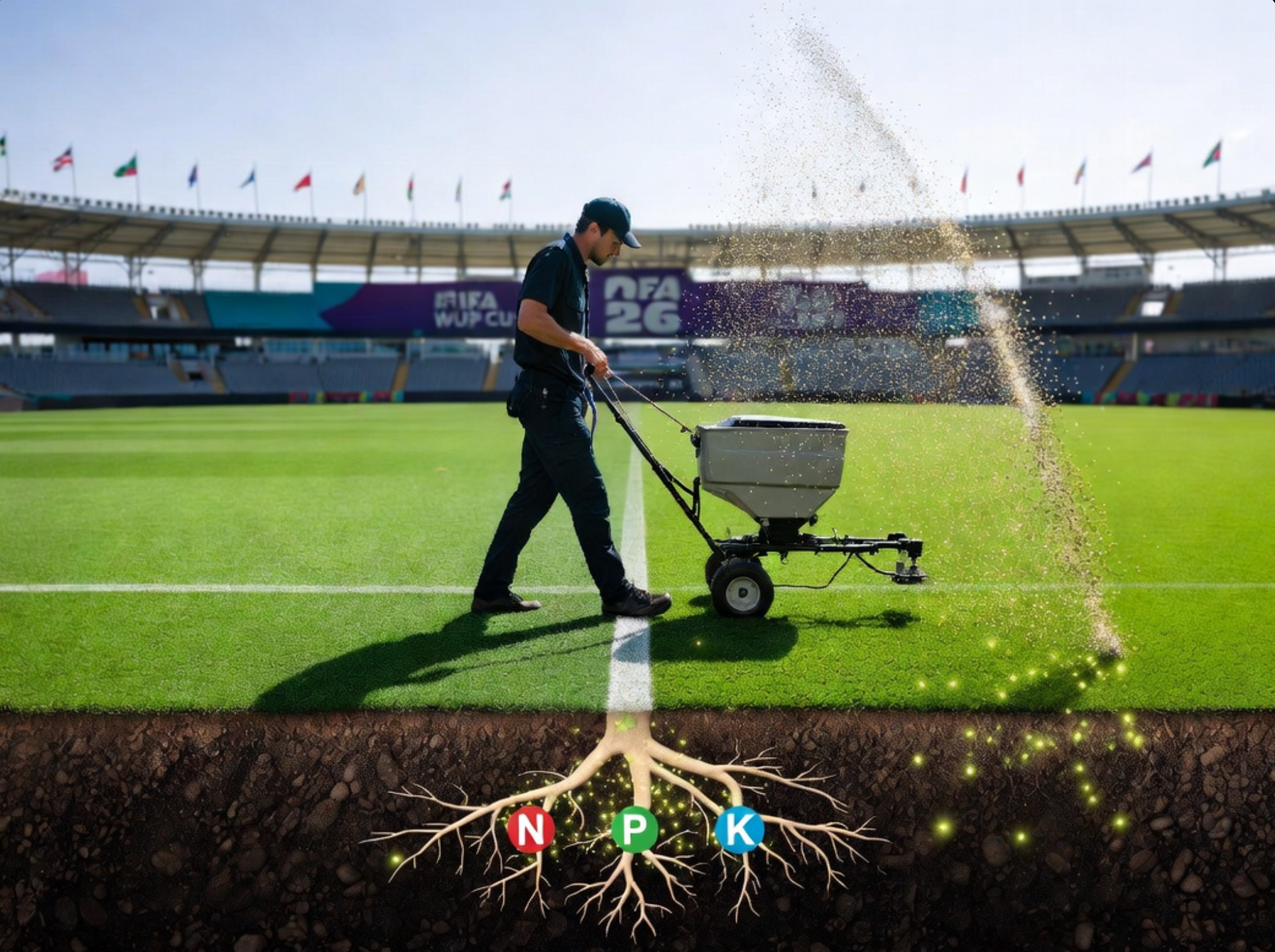
Soil testing forms the foundation of any effective program. Groundskeepers conduct routine tests (annually for sand-based systems common in modern stadiums) to assess pH, nutrient levels, and organic matter. Optimal soil pH (around 5.5–7.0) ensures nutrients remain available; lime or sulfur corrects imbalances. Tissue testing complements this by revealing what the plant has actually absorbed.
Fertilizer types vary by needs and timing. Slow- or controlled-release formulations (such as polymer-coated urea, IBDU, or methylene urea) provide steady nutrition over weeks, minimizing "flush" growth that creates weak, disease-prone turf. These are preferred during peak season to support recovery without excessive mowing. Quick-release sources offer rapid green-up before critical matches. Many programs blend both, along with micronutrients like iron (for color), magnesium, and calcium. Organic options, including compost teas, sea kelp, and humates, improve soil biology and structure, increasingly favored for sustainability.
For the 2026 World Cup in North America, FIFA has invested heavily in hybrid and natural grass systems across venues originally built for other sports. Sod is grown on specialized farms, then transported and installed with precision. Post-installation, crews apply fertilizers immediately to encourage rooting, combined with sub-air ventilation, grow lights, moisture sensors, and GPS-guided sprayers for uniform application. Precise fertilizing prevents burn, reduces runoff, and maintains playability under stadium lights and tight schedules.
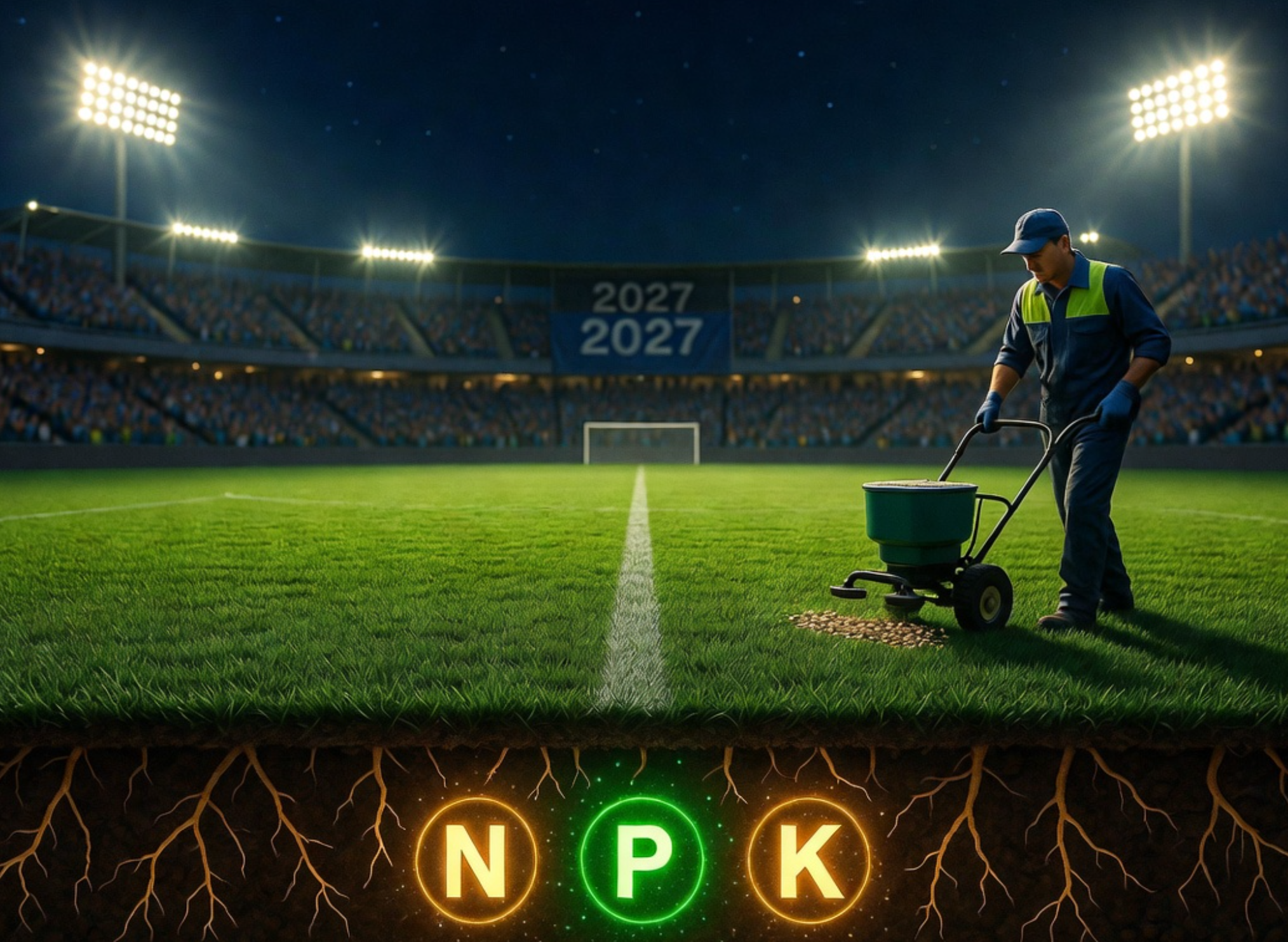
Environmental considerations now shape modern maintenance. Over-fertilization risks nutrient leaching into waterways, so many programs emphasize efficiency—light, frequent applications guided by sensors and weather data. Integrated approaches combine fertilization with aeration, topdressing with sand, overseeding, and integrated pest management to build resilient turf that withstands wear.
Ultimately, specialized fertilizers do more than feed grass—they enable the beautiful game. A well-nourished pitch offers consistent speed, reduces injury risk, and looks pristine under broadcast lights. As teams compete for glory, the quiet work of agronomists and groundskeepers, armed with data-driven fertility programs, ensures the field remains the true star of the tournament. This meticulous care highlights how science and nature combine to deliver football's greatest stage.